
Irving, Texas
Roof Leaking During Rain in Irving, TX
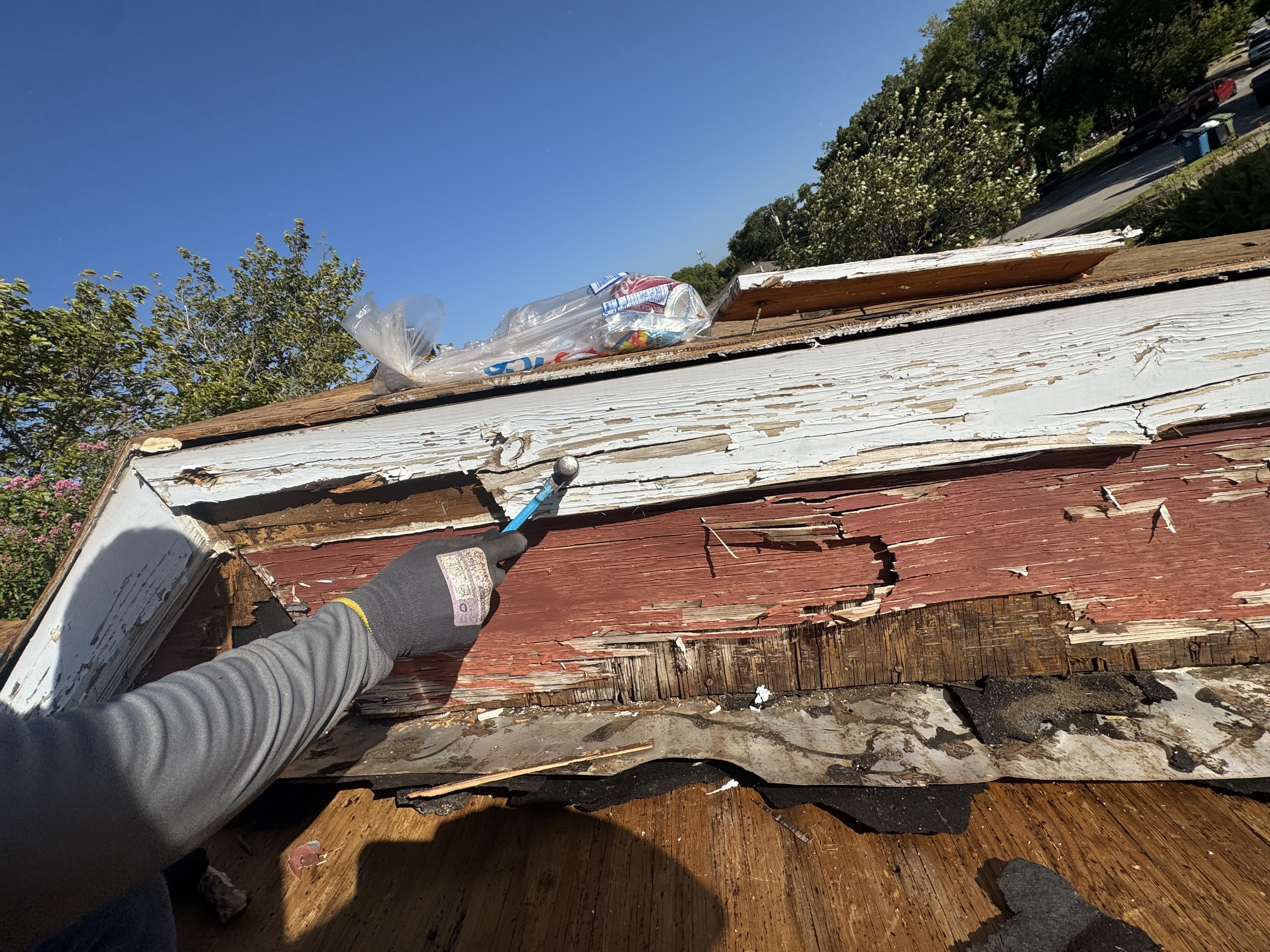
A roof that leaks when it rains is almost always a sign that something specific failed — a flashing, a pipe boot, a lifted shingle, or a worn seal. The water you see inside is rarely directly below the actual entry point. We trace the real source and repair it, not just the stain.
Veteran-Owned
U.S. Army Ranger founded
Licensed & Insured
DFW roofing since 1998
BBB A+
Accredited business
Honest Assessment
No pressure, no upsell
What You're Seeing
Water appearing on ceilings or walls only during or right after rain
A damp smell in the attic or a specific room that worsens when it rains
Drips from a light fixture, vent boot, or ceiling corner during downpours
Water staining that grows slowly over multiple rain events
What May Be Causing It
Failed or lifted shingles
Wind can lift shingle tabs and break the seal strip, letting rain drive underneath. Once the seal is broken, even moderate rain can enter.
Flashing failures
Chimney, skylight, valley, and wall-step flashings are the most common rain-leak sources. A gap, crack, or improperly layered flashing lets water in during wind-driven rain.
Pipe boot and vent deterioration
The rubber collar on a plumbing pipe boot cracks and shrinks over time. Rain runs down the vent pipe and enters through the cracked boot — a very common cause of sudden leaks.
Worn sealants and penetrations
Caulk and sealant around penetrations break down under North Texas UV exposure. What was sealed ten years ago may be cracked and porous today.
Valley wear
Roof valleys concentrate water flow. Worn valley metal or damaged valley shingles leak during heavy rain even when the rest of the roof is sound.
Storm-driven rain and aging materials
Wind-driven rain pushes water up underlayment and into gaps that normal rain never reaches. Older roofing materials are more vulnerable because seals and granules have degraded.
How Urgent Is This?
A rain leak is not always an emergency the first time it appears, but it will not fix itself. Every rain event sends more water into the assembly, and water travels — what starts as a ceiling stain can become saturated decking, insulation, and eventually a structural issue. The sooner the source is found, the smaller the repair.
What You Can Safely Do Now
Contain the water — place a bucket under the drip and move belongings away from the area.
If water is bulging a ceiling, a small puncture at the low point can release trapped water and prevent a larger collapse.
Note exactly when the leak started relative to the rain and where the water first appeared.
Take photos of the interior damage for your records.
What Not to Do
Do not climb onto the roof during or immediately after a storm — wet roofing is dangerous and you cannot diagnose the source from on top.
Do not assume the visible drip is directly below the leak entry point — water travels along decking and rafters.
Do not spread caulk over a wet surface expecting it to hold — it will trap moisture and fail.
Not Sure What Your Irving Roof Needs?
An honest inspection tells you the real cause and the right next step — no pressure, no upsell.
What Roof Pros Dallas Inspects
The attic path the water took from entry to interior appearance
Every flashing — chimney, skylight, valley, wall step, and penetration
All pipe boots and vent collars for cracking and shrinkage
Shingle seal strips and any lifted, cracked, or missing tabs
Valley condition and water-flow paths
Decking for moisture and the extent of any saturation
Possible Repair Paths
Flashing reseal or replacement — the most common permanent fix for a rain leak
Pipe boot or vent collar replacement when the leak traces to a penetration
Shingle repair or replacement for lifted, cracked, or missing tabs
Valley repair or re-flashing when water concentrates and enters at the valley
Sealant renewal at penetrations and perimeter flashings
When Replacement May — or May Not — Be Relevant
A roof that leaks during rain does not usually need full replacement unless the leaking is widespread, the shingles are failing across most of the roof, or the decking is soft in multiple areas. Most rain leaks are localized and repairable. We tell you honestly which situation you are in.
Related Roofing System Considerations
Attic ventilation affects how moisture moves and dries — poor ventilation can make a small leak look worse.
Gutter backup at a roof edge can force water under the first course of shingles during heavy rain.
Skylights and their curbs are common leak points that need specific flashing detail.
Roof Leaking During Rain in Irving
In Irving, where housing spans established mid-century neighborhoods plus newer Las Colinas construction, rain leaks most often trace to aging pipe boots, failed flashings, and seal strips that have dried out under North Texas sun. central Dallas County storm systems means wind-driven rain regularly pushes water into gaps that lighter rain never reaches. a significant commercial base alongside established residential cores see a mix of older flashings nearing end of life and newer penetrations that can fail early after storm exposure — so the source of a rain leak here is usually a specific failed component, not a whole-roof problem.
Roof Leaking During Rain in Irving — Common Questions
Related Roofing Services
Roof Leaking During Rain in Nearby DFW Areas
Ready to Get Help in Irving?
Roof Leaking During Rain services available throughout Irving and surrounding Dallas County communities.
Looking for a trusted roofing company serving Irving? Read customer reviews for Roof Pros Dallas on Google.